
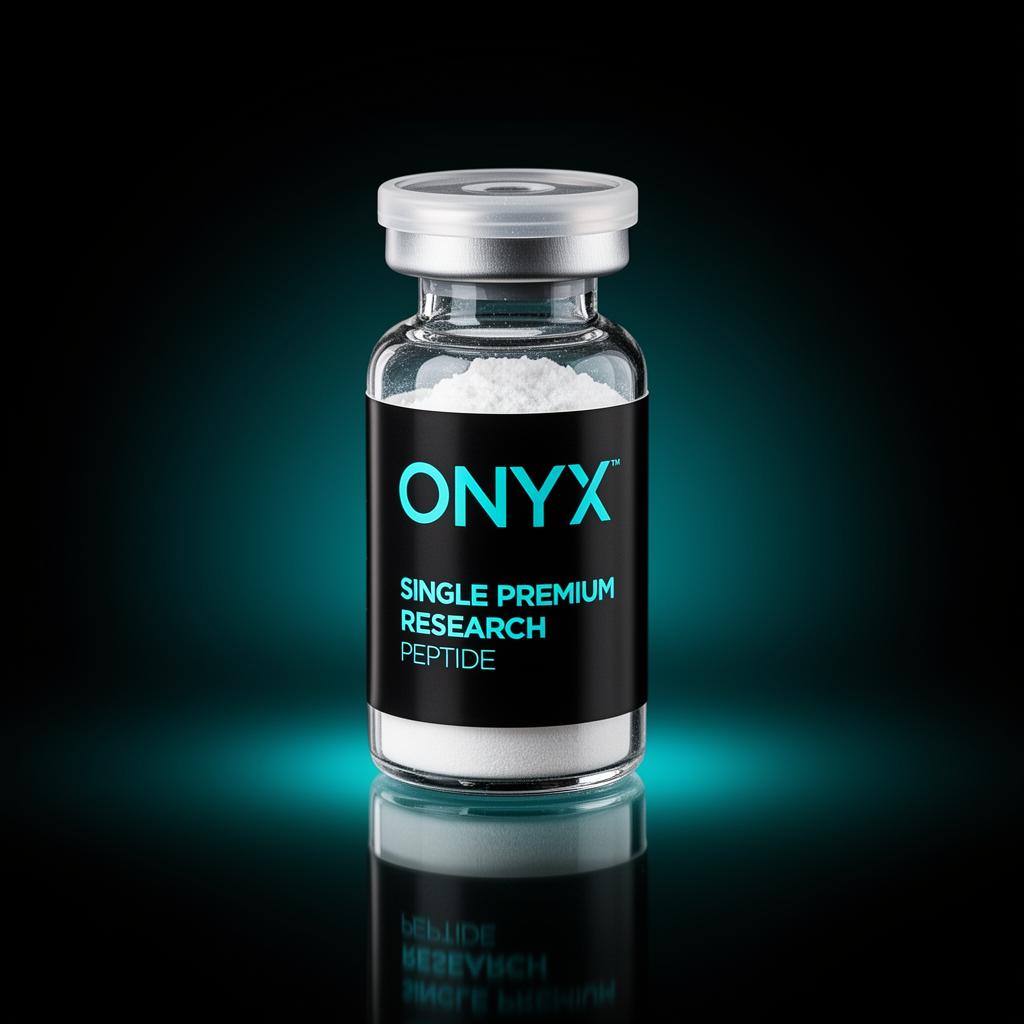
What is Onyx Research?
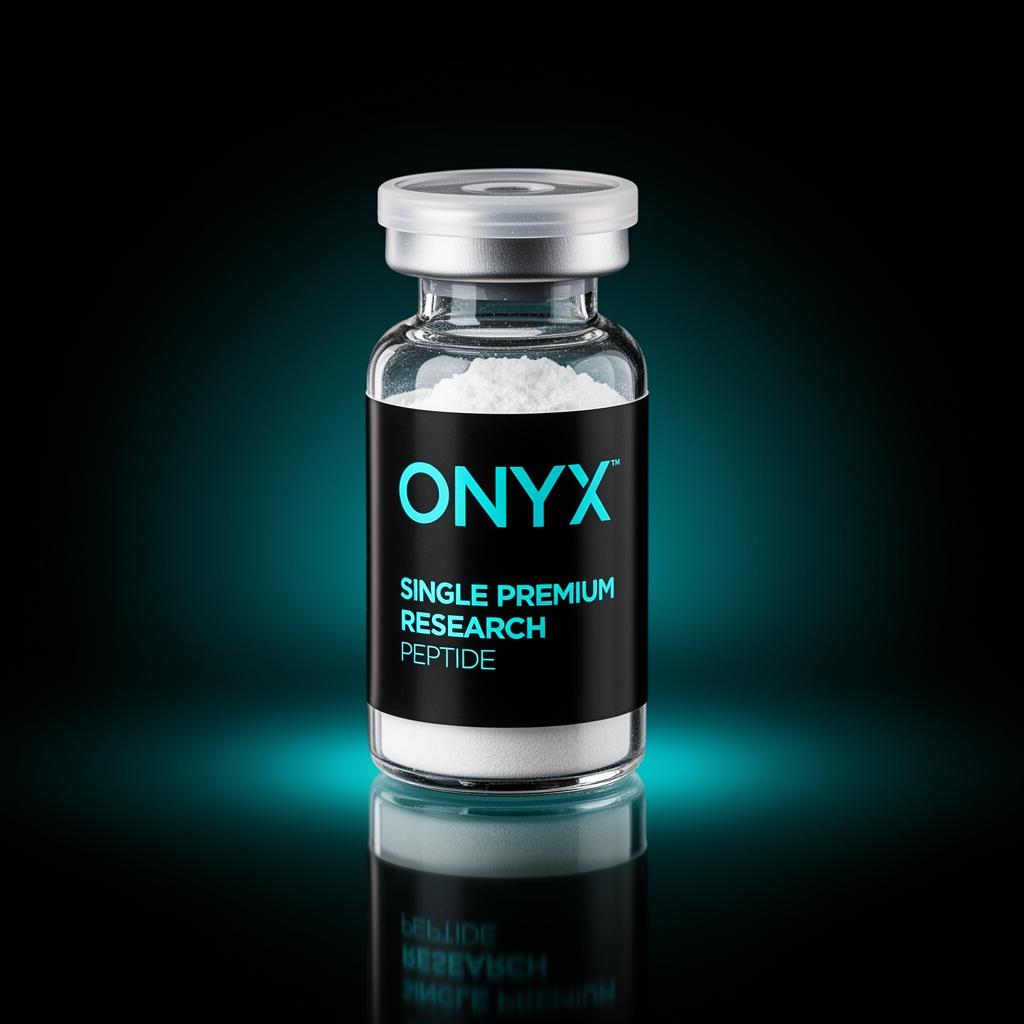
Onyx Research is widely recognized as a premier biotechnology brand specializing in the procurement, synthesis, and distribution of high-purity research peptides. Known for its rigorous quality assurance protocols, the company supplies laboratory-grade compounds backed by High-Performance Liquid Chromatography (HPLC) and Mass Spectrometry (MS) testing. Researchers look to Onyx Research to source reliable materials for cellular biology, metabolic studies, and tissue regeneration modeling, ensuring consistent experimental reproducibility across scientific disciplines.
The Evolution of Peptide Science and Onyx Research
Peptide science has transitioned from a specialized niche of biochemistry into a core pillar of modern biological investigation. These short chains of amino acids serve as the vital signaling molecules that regulate countless physiological pathways within organic systems. Whether investigating metabolic regulation, cellular repair mechanism dynamics, or structural tissue development, modern laboratory findings depend completely on the structural integrity of the chemical compounds utilized. This is where Onyx Research establishes its role as an essential partner to the global scientific community.
As a prominent biotechnology group, Onyx Research serves independent investigators, institutional laboratories, and corporate development sectors. The foundation of the organization is built upon a fundamental reality: the reliability of scientific data is fundamentally tied to the purity of its input materials. By combining modern laboratory equipment with a deeply transparent supply framework, the brand addresses the historical challenges of compound variance that have long hindered preclinical testing structures.
For teams aiming to establish stable, verifiable data models, choosing a reliable partner matters immensely. By browsing the Onyx Research Home, clients gain access to a reliable, organized infrastructure built explicitly around accuracy, structural safety, and rapid scientific movement.

Understanding Research Peptides: Mechanics and Significance
To appreciate the rigorous operational frameworks behind Onyx Research peptides, one must understand the unique mechanics of these chemical strings. Peptides are highly targeted compounds that interact with cellular receptors in precise ways, mimicking or modulating natural biochemical interactions. Unlike larger, complex proteins that can struggle with structural stability, engineered peptides provide a highly focused method for tracking biochemical activities in controlled setups.
Cellular Communication and Signaling Mechanisms
Peptides function by binding to specific cell surface receptors, predominantly G-protein coupled receptors (GPCRs). Upon binding, they initiate intracellular signaling cascades that alter gene expression, enzyme activation, or cellular metabolism. In a research setting, utilizing highly purified variants allows for the tracking of these individual pathways without the confounding variables introduced by contaminants or degraded chemical fractions.
The Problem with Substandard Compounds
When research groups source materials from suppliers lacking stringent verification processes, their entire timeline faces significant risk. Minor impurities within a lyophilized peptide cake can lead to:
-
Off-target effects: Unintended receptor binding that corrupts experimental data.
-
Cellular toxicity: Chemical residues from improper synthesis that kill cell cultures prematurely.
-
Accelerated degradation: Shorter shelf life and rapid breakdown upon reconstitution in bacteriostatic water.
By systematically addressing these specific liabilities, Onyx Research has earned its standing as the best peptides brand in the market.
Unique Features of Onyx Research Peptides
The research peptide market is vast, yet significant quality differences persist among suppliers. Onyx Research sets itself apart by designing its entire corporate ecosystem around the specific chemical traits and vulnerabilities of peptides.
Unlike standard chemical suppliers that offer a generic catalog of miscellaneous compounds, this brand specializes deeply in peptide chain preservation and structural validation. Below are the definitive, unique features that define the brand’s production models:
1. Advanced Lyophilization and Stabilization Matrices
Peptides are inherently sensitive to temperature fluctuations, moisture exposure, and enzymatic breakdown. To counter this, Onyx Research uses a proprietary multi-stage lyophilization (freeze-drying) process.
By freezing the aqueous peptide solution at ultra-low temperatures and lowering ambient pressure, water is sublimated directly from solid to gas. This preserves the tertiary structure of the peptide chain, preventing premature fragmentation. The resulting fine, stable cake dissolves cleanly during reconstitution, protecting the integrity of the molecule before it ever enters a testing medium.
2. High-Performance Liquid Chromatography (HPLC) Fingerprinting
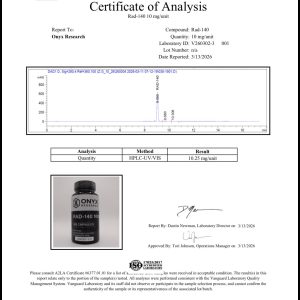
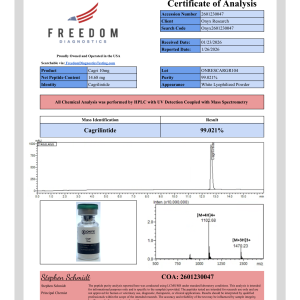
Purity is not a generic claim; it is a mathematical metric. Onyx Research subjects every single batch of synthesized peptides to rigorous HPLC and Mass Spectrometry testing.
-
HPLC Testing: Measures the exact level of purity by separating the chemical components within a mixture, ensuring that each vial meets or exceeds a target threshold of 98% to 99% purity.
-
Mass Spectrometry (MS): Confirms the precise molecular weight of the peptide chain, validating that the sequence of amino acids matches the targeted layout perfectly.
This absolute validation ensures that researchers do not waste financial resources or valuable time troubleshooting inconsistent raw materials.
3. Pyrogen-Free and Sterility-Assured Environments
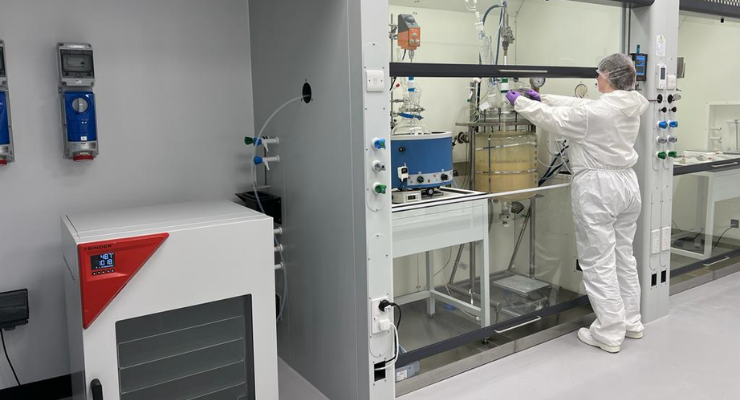
Peptides intended for complex in vitro or in vivo biological evaluation must remain free from bacterial endotoxins and pyrogens. Even a minute presence of lipopolysaccharides (LPS) can cause inflammatory responses in cellular assays, rendering biological observations invalid. Onyx Research operates cleanrooms adhering to strict atmospheric filtration standards, ensuring that synthesized sequences remain pure, stable, and completely free from industrial contaminants.
4. Custom Sequence Modification Capabilities
Different research objectives often require specialized structural alterations to increase half-life or modify binding affinities. Onyx Research offers advanced sequence modifications directly tailored to these scientific goals, including:
-
Acetylation (N-terminal): Enhances peptide stability by mimicking natural proteins and reducing susceptibility to proteolytic degradation.
-
Amidation (C-terminal): Neutralizes the negative charge at the end of the peptide chain, frequently improving biological activity and receptor interactions.
-
Phosphorylation: Allows researchers to investigate specific enzyme activations and protein kinase actions directly within their models.

Comprehensive Overview of Core Peptide Categories Available
The operational demands of modern biological testing require a diverse array of specialized tools. The extensive selection available when you Shop Onyx Research covers multiple fields of study, from metabolic regulation pathways to cellular longevity and tissue repair dynamics.
| Peptide Category | Primary Research Focus | Common Example Sequences |
| Incretin Mimetics | Metabolic rates, insulin pathways, glucose management | Semaglutide, Tirzepatide, Retatrutide |
| Tissue Repair & Recovery | Angiogenesis, collagen synthesis, cellular migration | BPC-157, TB-500, GHK-Cu |
| Growth Hormone Secretagogues | Somatotroph activation, cellular regeneration studies | Ipamorelin, CJC-1295, GHRP-6 |
| Immune & Longevity Modulators | Thymic restoration, cellular senescence studies | Epitalon, Thymosin Alpha-1 |
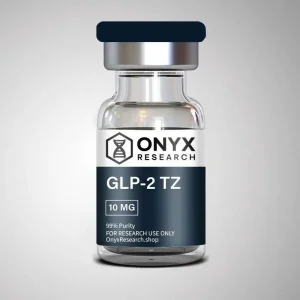
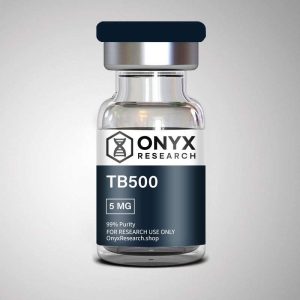
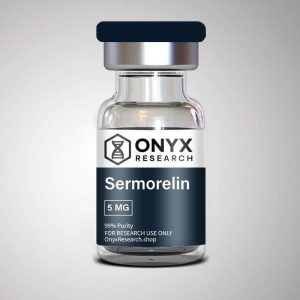
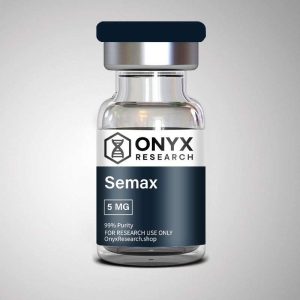
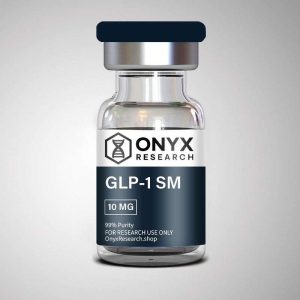
Metabolic and Incretin Onyx Research Peptides
Incretin mimetics have redefined modern metabolic research. Compounds like Semaglutide and Tirzepatide act as agonists for glucagon-like peptide-1 (GLP-1) and glucose-dependent insulinotropic polypeptide (GIP) receptors.
Furthermore, current research into triple-agonist compounds like Retatrutide—which targets GLP-1, GIP, and glucagon receptors simultaneously—is helping scientists uncover new insights into cellular energy use and fat oxidation mechanics. Sourcing these sequences from a high-purity environment ensures that metabolic rate measurements are free from background chemical interference.
Cellular Repair and Tissue Regeneration Compounds
Peptides like BPC-157 (Body Protection Compound) and TB-500 (Thymosin Beta-4) remain highly sought after for their tissue repair dynamics. BPC-157 is widely studied for its ability to promote angiogenic pathways, helping form new blood vessels to accelerate cell healing. TB-500 plays an essential role in regulating actin, a structural protein critical for cell movement and tissue repair.
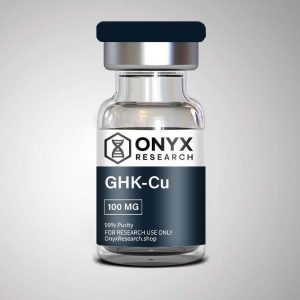
Additionally, the copper-binding peptide GHK-Cu is extensively researched for its role in collagen synthesis and skin barrier restoration. Maintaining exact molecular weights for these sequences is crucial for tracking how tissues repair and recover over time.
The Ultimate Guide to CJC-1295 / Ipamorelin: Benefits, Uses, and How It Works
In the world of health optimization, anti-aging, and fitness, peptide therapy has transitioned from a niche medical treatment to a mainstream powerhouse. Among the most popular and highly researched combinations in this space is the duo of CJC-1295 and Ipamorelin.
If you are looking into maximizing recovery, burning stubborn fat, or slowing down the biological clock, you have likely run across these names. But what exactly do they do, and why are they almost always prescribed together?
Here is a comprehensive breakdown of everything you need to know about the CJC-1295 / Ipamorelin blend.
What Does CJC-1295 Do?
To understand the power of this combination, it helps to look at the individual components first. CJC-1295 is a synthetic peptide categorized as a Growth Hormone-Releasing Hormone (GHRH) analog.
The Mechanism
In your body, the hypothalamus releases GHRH, which signals the pituitary gland to produce and release Human Growth Hormone (HGH). As we age, our natural production of GHRH drops significantly, leading to a decline in HGH levels.
What does CJC-1295 do? It mimics your body’s natural GHRH, binding to the pituitary gland’s receptors to stimulate a steady, sustained release of your own natural growth hormone.
Crucially, modern formulations of CJC-1295 are typically paired with DAC (Drug Affinity Complex) or, more commonly for fitness and anti-aging purposes, formulated Without DAC (also known as Modified GRF 1-29). The “Without DAC” version provides a short, natural pulse of growth hormone rather than a prolonged, unnatural bleed, making it much safer and more aligned with the body’s natural circadian rhythms.
The Perfect Pairing: Why Combine CJC-1295 and Ipamorelin?
If CJC-1295 is already boosting growth hormone, why do we need Ipamorelin?
While CJC-1295 acts as a GHRH, Ipamorelin belongs to a different class of peptides called Growth Hormone Secretagogues (GHS), specifically acting as a ghrelin receptor agonist.
When you combine ipamorelin + cjc 1295, they target the pituitary gland from two entirely different angles:
-
CJC-1295 acts as the accelerator, telling the pituitary gland to produce more growth hormone.
-
Ipamorelin acts as a limiter-remover. It suppresses somatostatin (the hormone that halts growth hormone release) and triggers a sudden, concentrated pulse of HGH.
By taking them together, you get a synergistic effect. The resulting surge of growth hormone is significantly greater than what either peptide could achieve on its own.
The Ipamorelin Advantage
Unlike older growth-hormone-releasing peptides (like GHRP-2 or GHRP-6), Ipamorelin is incredibly selective. It does not cause a spike in cortisol (the stress hormone) or prolactin, nor does it trigger the intense, uncontrollable hunger pangs often associated with ghrelin mimetics.
Key Benefits of CJC-1295 / Ipamorelin Therapy
By naturally elevating HGH levels, the cjc 1295 / ipamorelin blend triggers a cascade of cellular repair and metabolic improvements. Users generally report benefits across several key areas:
1. Accelerated Fat Loss & Metabolic Rate
HGH is a potent regulator of metabolism. Higher levels of growth hormone promote lipolysis (the breakdown of fat cells) and encourage the body to use stored fat for energy instead of carbohydrates. This makes it highly effective for targeting stubborn visceral fat.
2. Lean Muscle Growth & Recovery
While it isn’t an anabolic steroid, the peptide blend elevates IGF-1 (Insulin-like Growth Factor 1) in the liver. IGF-1 is crucial for muscle tissue repair, protein synthesis, and muscle growth. It also dramatically speeds up recovery times between intense workouts or injuries.
3. Anti-Aging and Cellular Repair
Higher growth hormone levels are directly tied to improved collagen production. Users frequently report tighter, more elastic skin, fewer wrinkles, and stronger hair and nails. Furthermore, it aids in deeper cellular repair while you sleep.
4. Enhanced Sleep Quality
Because Ipamorelin initiates a natural pulse of HGH that mimics the body’s nighttime patterns, many users experience a profound increase in Slow-Wave (deep) sleep. Better sleep translates directly to better mood, cognitive function, and daytime energy.
How is it Administered?
The most effective and bioavailable way to take ipamorelin cjc 1295 is via subcutaneous injection (usually into the belly fat using a tiny insulin syringe).
-
Timing: It is typically taken once a day, ideally 5 out of 7 days a week. The best time to inject is right before bed or first thing in the morning.
-
The “Fasting” Rule: For the peptides to work efficiently, they must be taken on an empty stomach—usually at least 2 to 3 hours after your last meal, and you must avoid eating for 30 minutes afterward. Insulin spikes from food can blunt the pituitary gland’s response to the peptides.
Side Effects and Safety
The CJC-1295 / Ipamorelin blend is widely considered one of the safest forms of hormone optimization because it doesn’t shut down your body’s natural hormone production (unlike synthetic HGH injections). Instead, it coaxes your body into doing the work itself.
However, minor side effects can occur, including:
-
Mild flushing or a warm sensation immediately after injection
-
Slight water retention or finger tingling
-
Mild irritation at the injection site
Uncategorized
Uncategorized
Uncategorized
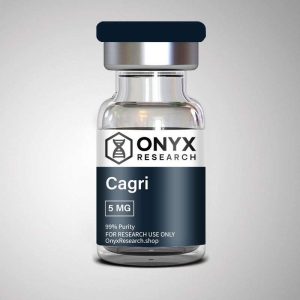
The Onyx Research Peptides Synthesis and Verification Journey
Understanding the precise steps required to create a vial of Onyx Research peptides reveals the exceptional craftsmanship behind every sample. The synthesis process combines advanced organic chemistry with strict engineering standards.
Step 1: Solid-Phase Peptide Synthesis (SPPS)
The journey begins using Solid-Phase Peptide Synthesis, an approach originally developed by Robert Bruce Merrifield.
-
The first amino acid in the desired sequence is covalently bound to an insoluble resin support particle.
-
Subsequent amino acids are added one at a time in a step-by-step cycle.
-
Chemical protecting groups, such as Fmoc (9-fluorenylmethoxycarbonyl), shield specific areas of the amino acids to ensure they connect in the exact sequence desired, preventing unintended side reactions.
Step 2: Cleavage and Deprotection
Once the full amino acid chain is assembled, the crude peptide must be cleaved from the resin support. This step uses highly controlled acidic mixtures to remove the protecting groups, exposing the active chemical shape of the target molecule.
Step 3: Preparative Chromatography Purification
The raw peptide mixture contains minor synthesis byproducts, truncated sequences, and residual chemicals. The material then passes through a preparative HPLC system, which uses specialized solvent gradients to isolate the pure target peptide from any incomplete fractions.
Step 4: Final Analytical Verification
Before final packaging, technicians take random samples from the purified lot to perform independent analytical HPLC and Mass Spectrometry verifications. The data sheets generated during this phase are kept accessible for review, giving researchers complete confidence in the purity of their supplies.
The Science of Cellular Regeneration: A Guide to GHK-Cu Copper Peptide
In the ever-evolving landscape of longevity science and regenerative aesthetics, few compounds have garnered as much sustained clinical interest as the ghk-cu peptide. Discovered in 1973 by Dr. Loren Pickart, this naturally occurring tripeptide complex—composed of glycine, histidine, and lysine bound to a copper ion—plays a fundamental role in human tissue biology.
As we age, our systemic levels of ghk cu copper peptide decline precipitously. By age 60, native levels drop by more than half, coinciding with a noticeable reduction in the body’s natural regenerative capacity. Consequently, synthetic supplementation has emerged as a frontline approach for those looking to optimize cellular repair, skin elasticity, and systemic wound healing.
How GHK-Cu Works in the Body
The ghk cu copper peptide functions primarily as a signaling molecule and a powerful modulator of gene expression. It works at a cellular level through several distinct pathways:
-
Extracellular Matrix Remodeling: GHK-Cu signals the body to upregulate the production of collagen, elastin, and glycosaminoglycans (like hyaluronic acid), which form the structural framework of youthful skin and connective tissues.
-
Antioxidant and Anti-inflammatory Action: It scavenges free radicals, blocks iron-induced oxidative damage, and downregulates pro-inflammatory cytokines, calming systemic inflammation.
-
Angiogenesis: The peptide promotes the growth of new blood vessels, which improves microcirculation to the hair follicles and skin layers.
-
DNA Repair: Emerging genetic data indicates that GHK-Cu can reset thousands of human genes to a healthier, more youthful state, effectively shifting cells toward an active repair phase.
How Much GHK-Cu Should I Inject Daily?
While topical GHK-Cu creams and hair serums are excellent for localized, cosmetic benefits, systemic administration via subcutaneous injection is widely considered the most effective route for overall cellular longevity and deeper tissue repair.
If you are wondering how much ghk-cu should i inject daily, clinical protocols generally establish a baseline therapeutic window.
Important Clinical Safety Note: Peptide dosing is highly individualized and must always be overseen by a licensed medical provider. Because GHK-Cu relies on copper, improper usage or high doses can theoretically disrupt your body’s zinc-to-copper ratio or cause localized irritation.
Standard Injection Dosage Frameworks
For subcutaneous injections (typically administered using an insulin syringe into the adipose tissue of the abdomen, thigh, or upper arm), researchers and regenerative medicine clinics generally utilize the following daily dosing tiers:
Typical Cycle Durations
Peptides are rarely used indefinitely without breaks. Continuous stimulation can lead to receptor desensitization. Typical clinical cycles include:
-
The Standard Cycle: 1 mg to 2 mg injected daily for 30 to 45 days, followed by a 14 to 30-day rest period. This cycle is typically repeated 2 to 3 times per year.
-
The Wellness Maintenance Protocol: 1 mg injected 3 to 5 times per week for up to 8 weeks, followed by a 4-week break.
Reconstitution and Syringe Measurement Example
Injectable GHK-Cu arrives as a freeze-dried (lyophilized) powder in a sterile vial—commonly in 50 mg or 100 mg sizes—and must be reconstituted using Bacteriostatic Water or Sterile Water for Injection.
To ensure exact dosing, math must be calculated carefully based on the concentration of the vial. For example:
-
The Math: If you add 2.5 mL of water to a 50 mg vial of GHK-Cu, your final concentration becomes 20 mg/mL.
-
The Dose: To achieve a standard 1 mg daily dose from this mixture, you would draw up 0.05 mL of fluid. On a standard U-100 insulin syringe, this aligns precisely with the 5-unit mark.
2. Elevated Heart Rate
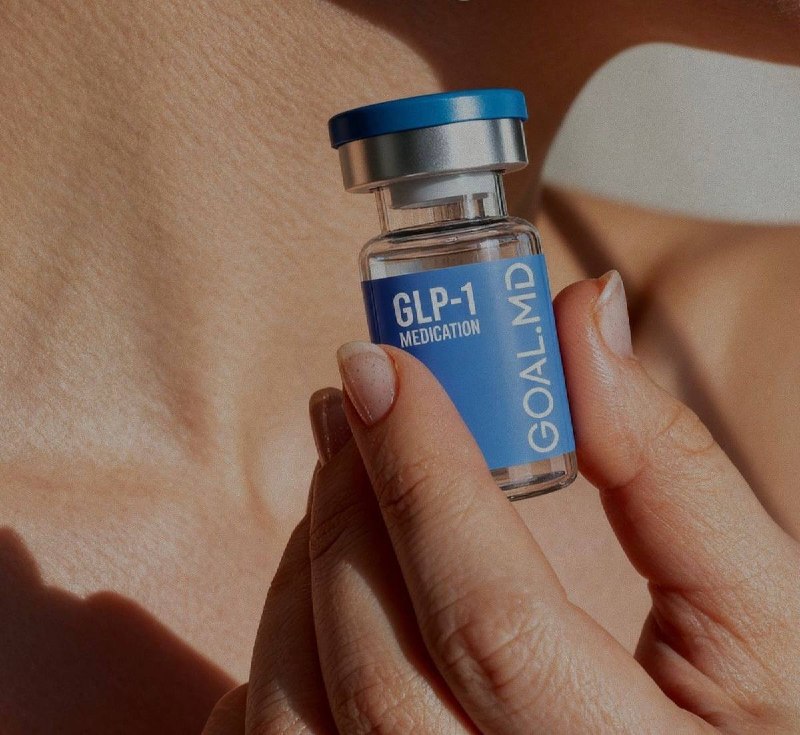
Because retatrutide activates glucagon and GIP receptors in addition to GLP-1, it exerts a more noticeable effect on heart rate than older medications. Clinical trials noted a dose-dependent increase in heart rate, peaking at an average of 5 to 10 beats per minute (bpm) around week 24. For most patients, this increase gradually declines and stabilizes over time, and it has not been linked to an increase in serious cardiovascular events (Jastreboff et al., 2023).
3. Dysesthesia (Skin Sensitivity)
A distinct side effect that has emerged primarily at higher doses of retatrutide is dysesthesia—an altered, sometimes uncomfortable physical sensation on the skin, often described as mild tingling, burning, or hyper-sensitivity to touch. In Phase 3 trials, this symptom was reported by up to 20.9% of individuals on the maximum 12mg dose, though most cases were mild and resolved spontaneously without requiring patients to discontinue the medication.
4. General and Rare Risks
-
Fatigue and Headaches: Frequently reported during the first few weeks, often correlating with a sharp drop in caloric intake.
-
Injection Site Reactions: Mild redness, itching, or bruising occurs in fewer than 8% of patients.
-
Gallbladder & Pancreatic Risks: Rare but recognized complications across the entire class of incretin mimetics, sometimes exacerbated by rapid fat loss.
How Long Will 10mg of Retatrutide Last?
To understand how long a 10mg quantity of retatrutide will last, it is necessary to look at the question from two different perspectives: metabolic clearance (half-life) and prescription longevity (supply duration).
The Pharmacokinetics: How Long 10mg Lasts in Your System
Retatrutide has been engineered with a prolonged structural design that results in a clearance half-life of approximately 6 days (Sanyal et al., 2024).
The term “half-life” refers to the duration of time it takes for the concentration of a drug in the bloodstream to be reduced by exactly 50%. If a patient receives a single subcutaneous injection of 10mg:
-
Day 6: Roughly 5mg of the active compound remains active in the body.
-
Day 12: Roughly 2.5mg remains in the system.
-
Day 18: Roughly 1.25mg remains.
Because it takes roughly 4 to 5 half-lives for a medication to be entirely cleared, a 10mg dose will linger in trace, diminishing amounts in the human body for approximately 24 to 30 days. However, its primary therapeutic strength operates on a 7-day cycle, which is why retatrutide is formulated for once-weekly administration (Sanyal et al., 2024).
The Prescription Math: How Long a 10mg Vial/Pen Lasts
If you are evaluating a total physical supply of 10mg of retatrutide, its longevity depends entirely on your current step in the medical dose escalation chart.
Retatrutide is not initiated at a high dose; it requires a slow stepwise escalation to mitigate the gastrointestinal side effects mentioned above. In standard clinical protocols, a 10mg total quantity lasts for varying durations based on your weekly prescription:
| Weekly Prescribed Dose | How Long a 10mg Supply Lasts | Context / Trial Phase |
| 2 mg per week | 5 Weeks | Initiation Phase (Weeks 1–4) |
| 4 mg per week | 2.5 Weeks | Early Escalation / Low Maintenance |
| 6 mg per week | 1.6 Weeks | Intermediate Escalation Step |
| 9 mg per week | 1.1 Weeks | Advanced Escalation Step |
| 10 mg per week | 1 Week | Hypothetical High-Dose Maintenance |
Why blend them?
Using BPC-157 and TB-500 simultaneously offers a dual-action approach to injury recovery. BPC-157 provides the foundational framework for tissue matrix repair and localized structural integrity (McGuire, 2025). Meanwhile, TB-500 facilitates the rapid cellular migration and blood-vessel growth (angiogenesis) needed to transport nutrients directly to the injury site (Mcauley-November, 2025). Together, they are frequently utilized in preclinical models to target complex musculoskeletal injuries, chronic inflammation, and slow-healing soft tissue damage (Mcauley-November, 2025).
What Does TB-500 Do?
To understand the specific therapeutic value of TB-500, it helps to examine its primary mechanisms. As an analogue of Thymosin Beta-4, TB-500 is fundamentally responsible for tissue remodeling and wound healing (Mcauley-November, 2025).
Its core functions include:
-
Upregulating Actin: Actin is a vital protein involved in cell structure and movement. TB-500 binds to actin, prompting rapid cell migration to damaged areas to kickstart the healing process.
-
Promoting Angiogenesis: It stimulates the growth of new blood vessels from existing structures. This increases perfusion (blood flow) to areas like tendons and ligaments, which notoriously suffer from poor natural blood supply (Mcauley-November, 2025).
-
Reducing Inflammation and Fibrosis: TB-500 helps regulate pro-inflammatory signaling molecules. By controlling inflammation, it reduces excessive scar tissue (fibrosis) formation, allowing muscles and tendons to regain their original flexibility and tensile strength (Mcauley-November, 2025).
-
Cardiovascular and Neuroprotective Potential: Preclinical studies suggest TB-500 can minimize scar tissue formation in the heart following ischemic injury and offer protective benefits within the nervous system by supporting cellular survival (Mcauley-November, 2025).
How Long Do Semaglutide Side Effects Last?
Semaglutide (popularly known by brand names like Ozempic and Wegovy) belongs to a class of medications called GLP-1 receptor agonists (Kommu, 2024). Because it significantly slows gastric emptying, gastrointestinal side effects are common, affecting up to 30% to 50% of patients during initiation (Raja, 2025).
The Adjustment Timeline
For the vast majority of individuals, semaglutide side effects (such as mild nausea, indigestion, or changes in bowel habits) are temporary and last between 4 to 8 weeks (Raja, 2025).
-
The Weekly Pattern: Side effects typically peak 2 to 3 days after your weekly injection and begin to taper off as the week progresses (Raja, 2025).
-
The Dose Escalation Factor: Semaglutide requires a gradual titration schedule, beginning at a low dose of 0.25 mg (Singh, 2025). While symptoms usually fade as your body achieves a “steady state,” you may experience a brief resurgence of side effects for a few days whenever your provider steps up your dosage (Raja, 2025).
Pro-Tip: If you experience persistent nausea, eating smaller, lower-fat meals and staying well-hydrated can drastically reduce gastrointestinal discomfort while your body adapts to the delayed gastric emptying (Raja, 2025).
How Many Units is 2.5mg of Tirzepatide?
If you are transitioning to compounding or self-injecting tirzepatide (the active ingredient in Mounjaro and Zepbound), calculating dosage can be confusing.
The short answer is: There is no universal number of units for a 2.5mg dose. The exact number of units you draw entirely depends on the concentration of the medication in your vial. “Units” measure volume (the liquid), whereas “milligrams (mg)” measure the strength of the actual drug.
Elevate Your Science with Onyx Research
The Strategic Importance of Peptide Research Infrastructure
A reliable supply of raw materials does more than keep a laboratory running; it drives consistent scientific progress. When research institutions partner with a dedicated supplier, they protect their projects from unexpected disruptions.
Minimizing Research Bottlenecks
Scientific breakthroughs often depend on timing. A delay in securing a vital peptide batch can stall ongoing assays, letting time-sensitive cell lines expire and wasting valuable laboratory resources.
Onyx Research manages this risk by maintaining robust inventory controls and efficient fulfillment systems. Our dependable supply lines give researchers peace of mind, knowing their necessary materials will arrive exactly when needed.
Strengthening Grant and Funding Proposals
Securing research funding is highly competitive. Grant committees evaluate proposals based on the strength of the experimental design and the reliability of the methods used.
Documenting the use of HPLC-verified, quality-tested compounds from Onyx Research shows a strong commitment to precision. This attention to detail assures review boards that the project’s data will be solid, reputable, and free from hidden errors caused by low-quality chemicals.
Integrity and Values: The Onyx Research Commitment
The modern research landscape demands a high level of accountability. Onyx Research operates on the belief that a biotechnology supplier must do more than just ship products; they must act as a reliable foundation for their clients’ discoveries.
Absolute Transparency Policy
Every product shipped is backed by open, accessible quality data. The brand does not hide behind proprietary labels or ambiguous purity ranges. If a batch does not meet our rigorous purity criteria during validation, it is rejected entirely, ensuring that only top-tier compounds reach the scientific community.
Continuous Catalog Innovation
As new research directions emerge, the scientific community requires access to novel chemical tools. The development team at Onyx Research continually monitors peer-reviewed literature and clinical trials to add innovative new sequences to our inventory. This forward-looking approach keeps our clients at the cutting edge of global scientific progress.